

Napoleon road
Travel a beautiful historic route in the South of France
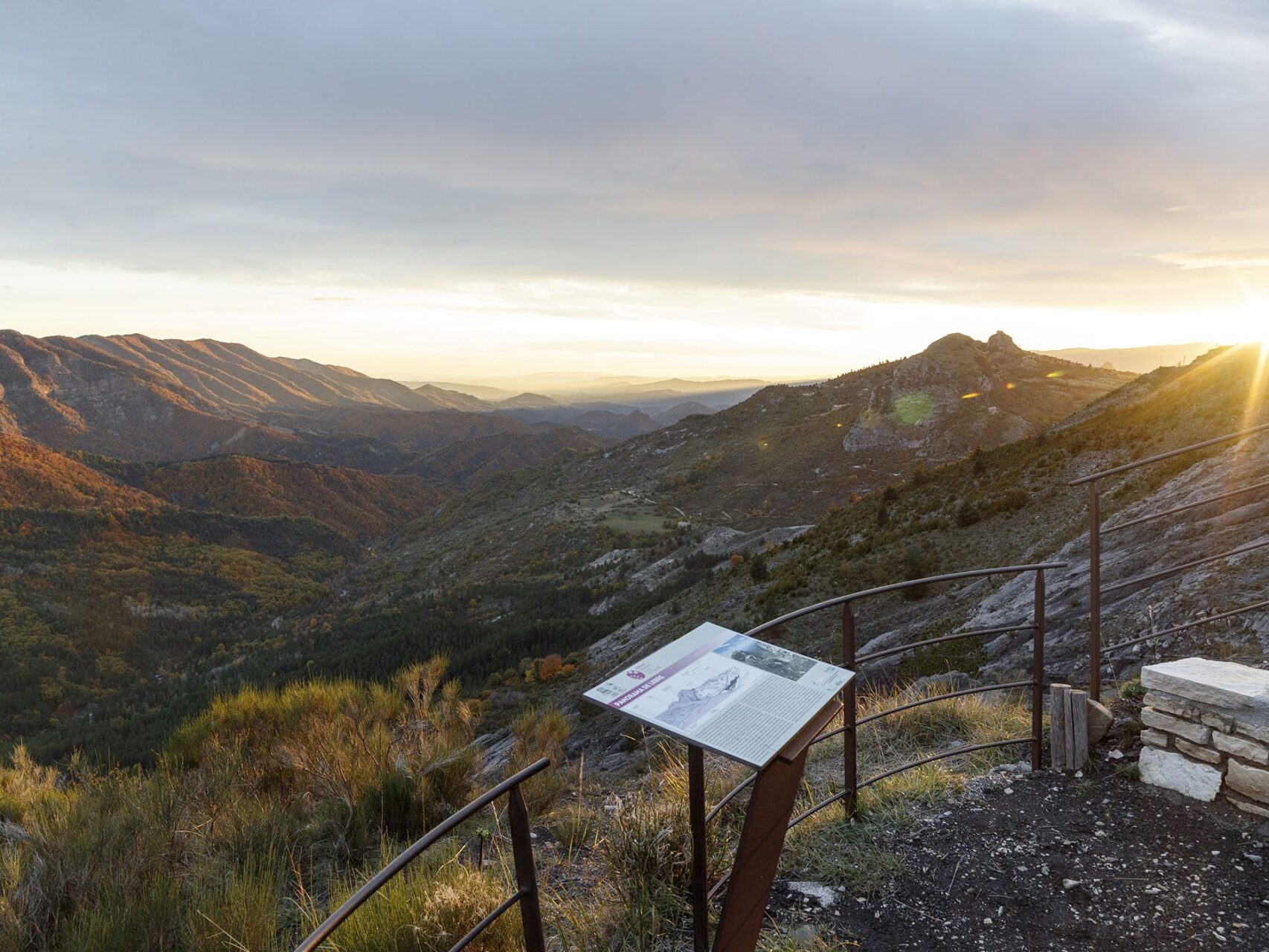
The Route Napoléon is a route from the sea to the Alps, through the magnificent landscapes of the Alpes de Haute Provence. You follow by car or motorbike the path taken by Napoleon I upon his return to power. Towns and villages like Castellane, Digne-les-Bains, and Sisteron are essential stops on the RN 1. Discover the Emperor's historic stopping places and enjoy the cultural and gastronomic riches. For an experience in the heart of nature, follow the marked trails of the Imperial Way on foot or on horseback.
The essential stages of the Route Napoléon
The Route Napoléon is a 314 km road between Vallauris Golfe-Juan on the French Riviera and Grenoble. It crosses the Alpes de Haute Provence between Castellane and Sisteron. You follow it when you take the national road 85 to go up into the Alps or down towards the Mediterranean. It was named in 1932 for its undeniable tourist and historical interest. By following the Route Napoléon, you cross majestic landscapes on one of the most beautiful roads in France.
Towns and villages for an unmissable stopover:
- Castellane,
- Barrême,
- Digne-les-Bains,
- Malijai,
- and finally Sisteron.
Castellane
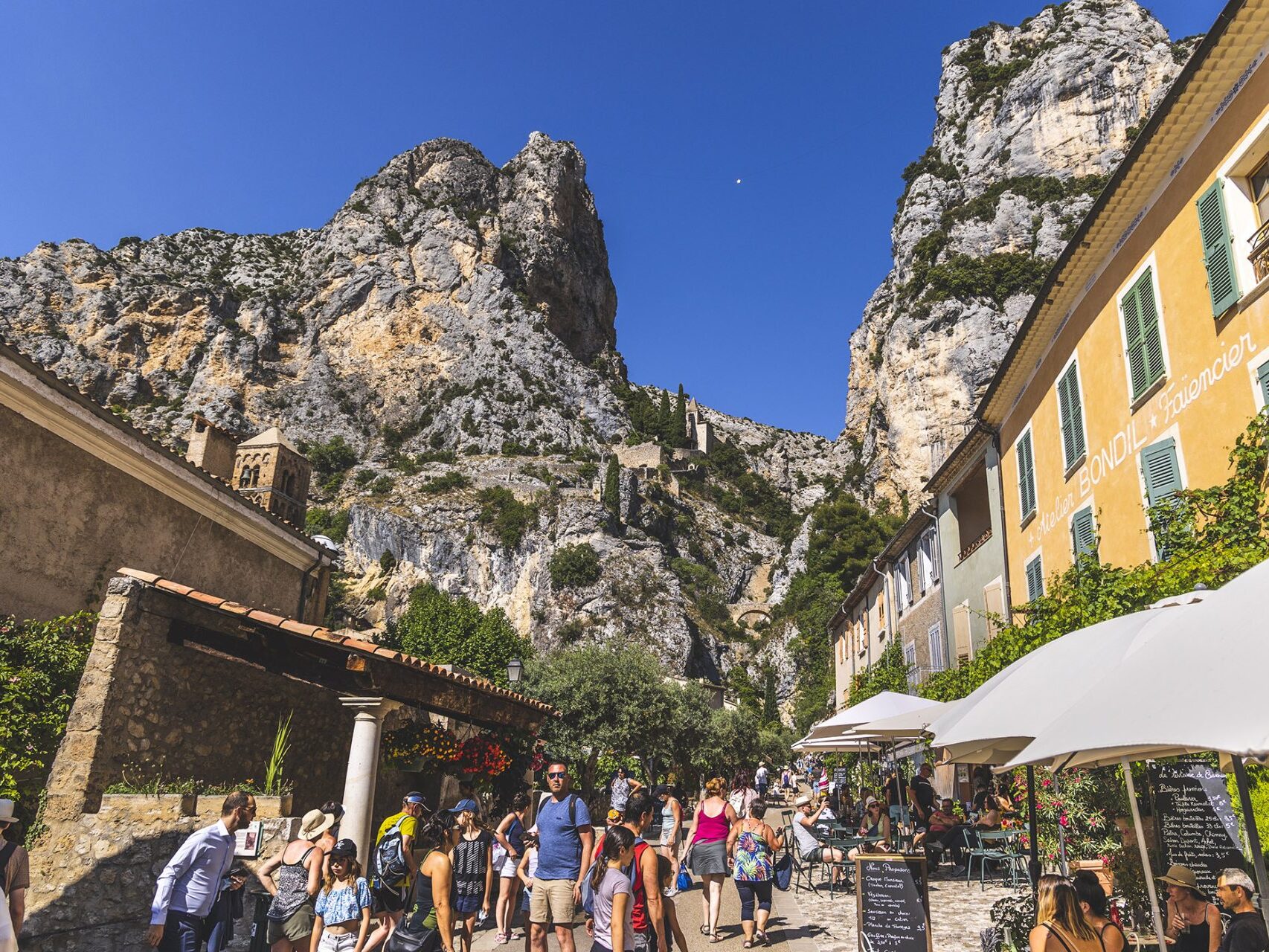
Castellane is a picturesque village, dominated by a rock, where the aptly named Notre-Dame du Roc chapel stands. A path leads there in about 30 minutes. From there, you will have a breathtaking view of the village and the Verdon Valley. Indeed, Castellane is the gateway to the Verdon Gorges, in the Verdon Regional Natural Park, a paradise for whitewater sports and hiking.
- Napoleonic Place : the commemorative plaque of Napoleon's passage located above the former sub-prefecture at 34, rue Nationale.
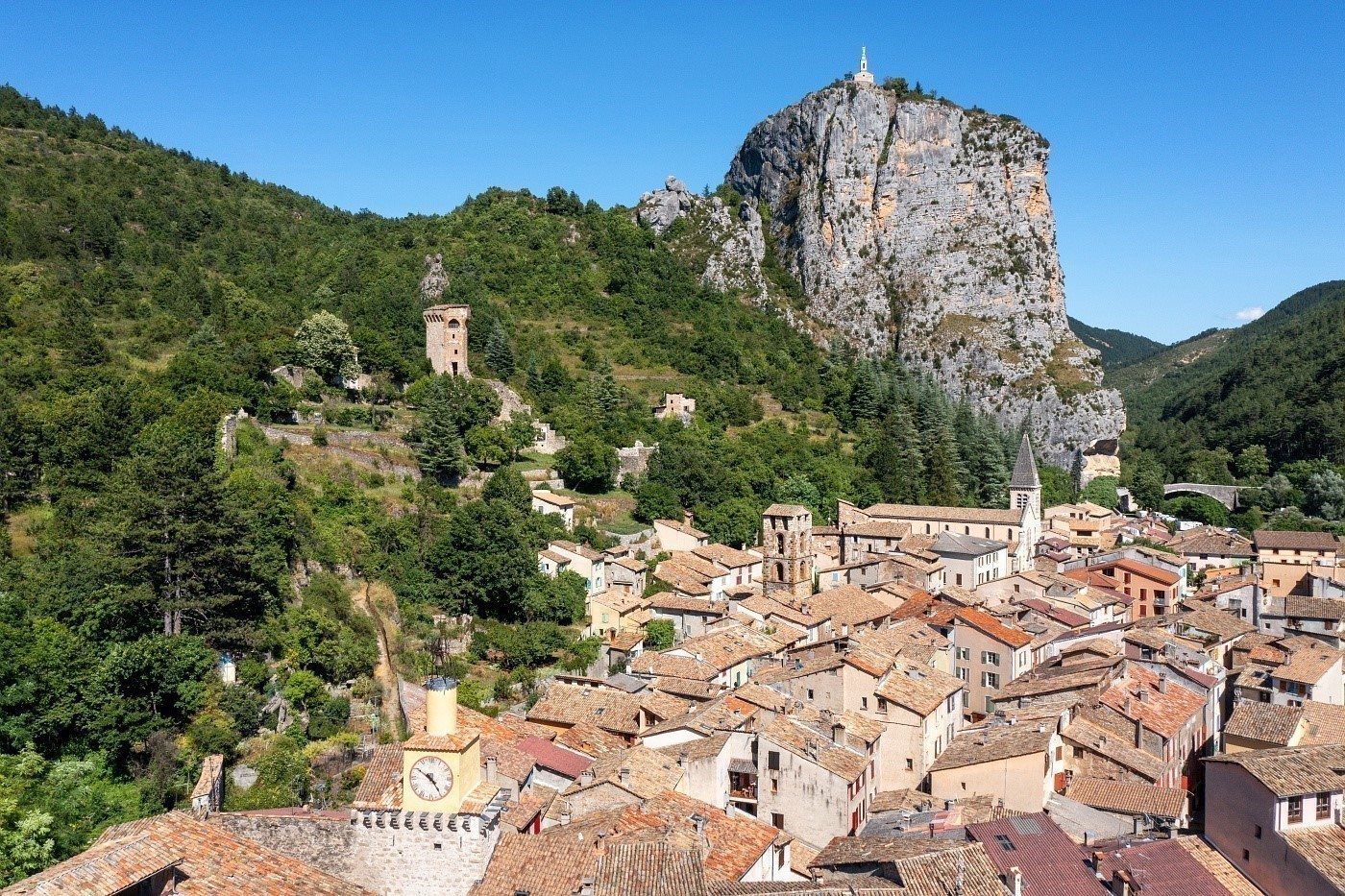
The mineral landscape of the Geological Reserve
All the landscapes you cross will remind you that you are in the territory of the Haute-Provence Geological Reserve. For example, at the Col des Lèques, a path leads to the Sirenians site, a geological site unique in the world. You can observe bones preserved in place, fossils 40 million years old. Continue your route through the impressive Clue de Taulanne. The road passes through a pierced rock! A magical passage!
Barrême and its ammonites
Then, head towards the villages of Senez, with its cathedral, and Barrême, where you can visit the distillery museum, to learn all about lavender and a fossil exhibition at the Town Hall. Barrême, is in fact known throughout the world by geologists who gave the name "Barremian", a geological era of the secondary. At that time Provence was covered by the sea and here are found particularly beautiful and sometimes very rare ammonites, with unrolled forms.
Then the Chabrières gorge is also another amazing mineral landscape. You might come across the famous Pignes train which runs along the road linking Nice to Digne-les-Bains.
- Napoleonic Place : Mr. Tartanson's house, in the center of the village of Barrême.
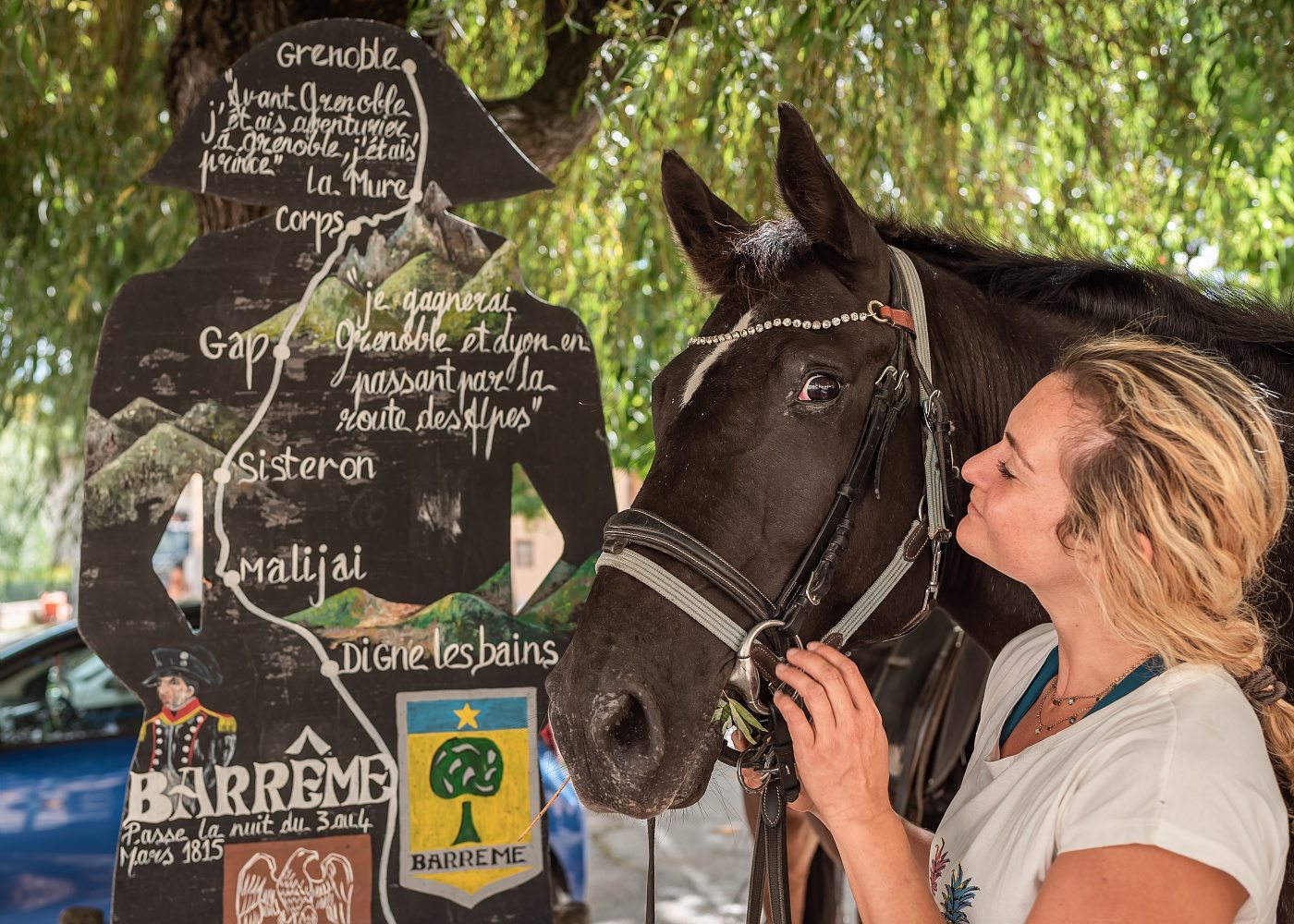
Digne-les-Bains and its thermal baths
A Digne-les-Bains, Treat yourself to a wellness break at the Haute-Provence Thermal SpaEnjoy the thermal water and a massage with lavender essential oils to relax. You'll be in great shape to visit the many museums, such as the headquarters of the first UNESCO Geopark, the Gassendi Museum, or the House of explorer Alexandra David-Neel.
On the sports side, you won't be left out with numerous hiking, cycling, and mountain biking trails, and an 18-hole golf course at the foot of the Cousson. If you want to get some height, take on its famous Via Ferrata or fly over the prefecture city in a paraglider.
- Napoleonic Place : a plaque affixed to a facade on Rue du Jeu de Paume commemorating the market day when Napoleon stopped for lunch, between noon and 15 p.m., in this former hotel called at the time, “Le petit Paris”.

Le along the Durance
Along the Durance, a once tumultuous river, discover Malijai and its castle, where the vivid memory of the Emperor's passage is celebrated every even year in July by a parade of troops in Napoleonic costume.
A stop is essential to explore the mountain bike trails of the Stade VTT XCO de Haute-Provence in Château-Arnoux-Saint-Auban in the most large mountain bike area in France.
Around Lake Volonne, on the Durance, several holiday resorts are available to you in Château-Arnoux-Saint-Auban, L'Escale or Volonne.
You are leaving luminous Provence, a land of scents and landscapes contrasted by Sisteron, a medieval town, sandwiched between its proud citadel and the rock of Baume to enter Dauphiné as far as Grenoble.
Napoleonic Places :
- Malijai Castle, souvenir plaques of the Emperor's passage in front of the castle. The castle park, where the troops set up camp on the night of March 4-5, 1815
- At Volonne : the mural painting and the souvenir plaque of the Fountain (28, rue Victor Heyries). The Auberge du Poisson d'Or where Napoleon had lunch on the morning of March 5, 1815 (17, rue Victor Heyries). Souvenir plaque Napoleon "passed and pissed" (25, route Napoléon).
- In Sisteron : in rue Saunerie, a souvenir plaque indicates that Napoleon had lunch at the Auberge du Bras d'Or on March 5, 1815,
Between Salignac and Sisteron, a few hundred meters from Sisteron on the Artillery Bridge, at the request of the royalist mayor, the grognards are said to have thrown weapons into the valley.
Exhibition on the Napoleonic epic at the permanent museum of the Citadel.
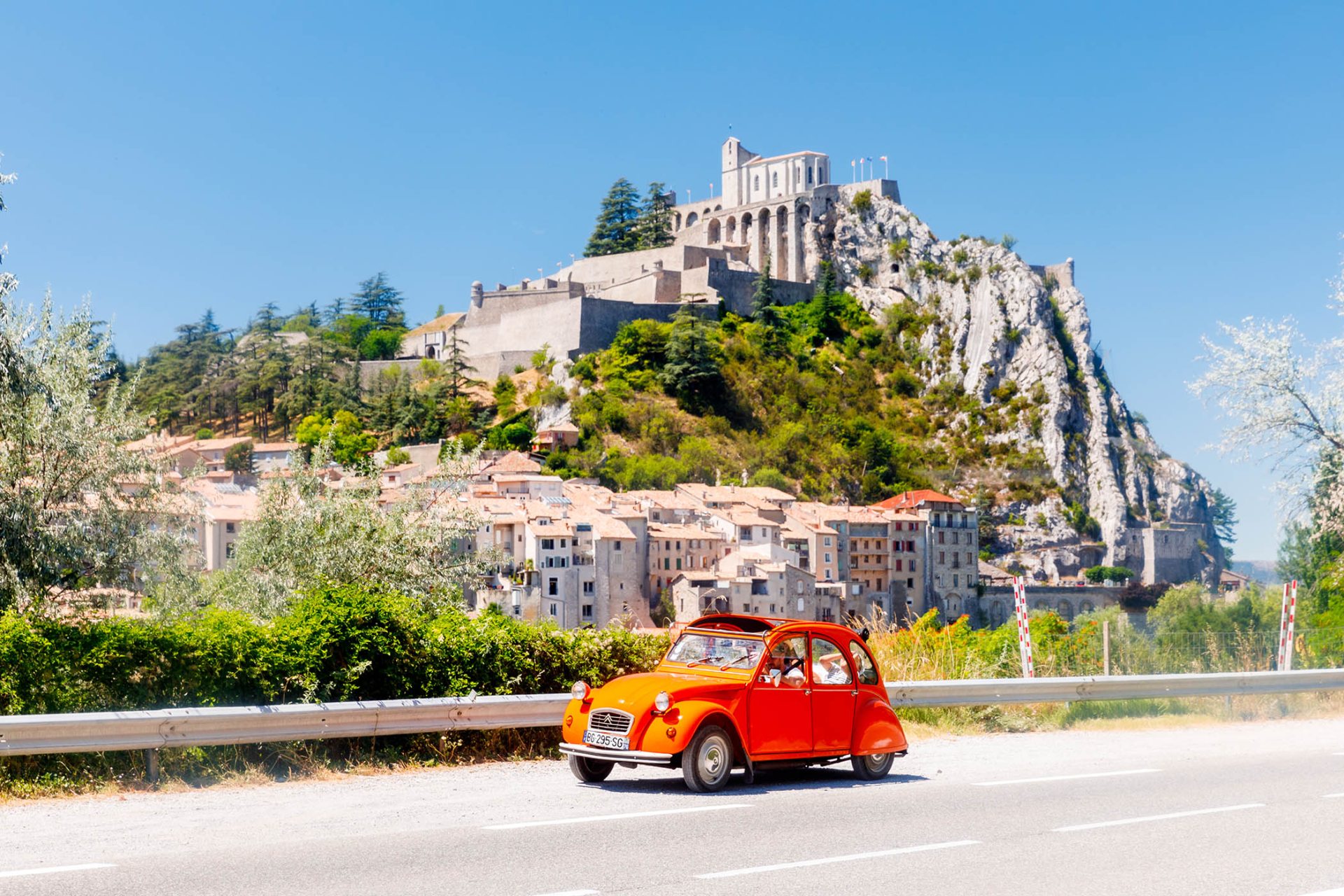
Gallimard Guide: Route Napoléon
Keys to understanding - Itineraries on the Route Napoléon - Practical information.
Why is the Route Napoléon called that?
Napoleon Bonaparte's rise to power. This is what he succeeded in doing on February 26, 1815, by leaving the island of Elba. He landed at Golfe Juan on March 1, 1815, accompanied by a thousand men. In order to reclaim his throne, Napoleon Bonaparte wanted to reach Paris quickly without being arrested.
To avoid the royalist troops stationed in Lower Provence, he decided to go through the interior of the country, reaching Grenoble via the Bayard Pass.
During his journey, Napoleon stopped in the Alpes de Haute Provence:
- 3 March 1815 : Coming from Séranon, Napoleon entered the Basses-Alpes via Le Mousteiret, located in the commune of Peyroules. He then crossed La Garde, had lunch in Castellane, and reached Senez via Taulanne. Napoleon entered Barrême around 20 p.m. He had dinner and then slept at the home of the justice of the peace, Tartanson.
- 4 March 1815 From Barrême, the troops head towards Digne along a rough road that crosses the Chaudon Pass. Napoleon stops at the hamlet of La Clappe where he has an omelet for lunch.
He arrives in Digne on a Saturday, market day. He has a quick lunch between noon and 15 p.m. at the hotel "Le Petit Paris," then takes the Bléone Valley. He spends the night at the Château de Malijai. - March 5, 1815 : After Malijai, the road continues through the towns of L'Escale, Volonne, Salignac. Napoleon had lunch in the morning in Volonne at the Auberge du poisson d'or, then in Sisteron, he stopped at the Auberge du Bras d'Or in the rue Saunerie.
He continued his journey towards Dauphiné and arrived triumphantly in Gap.
He reached Paris with his men on March 20, 1815 and then took back power on March 20 for "Hundred Days" until June 18, 1815.
At La Clappe...
Napoleon was surprised by the price of an omelet he had just tasted: "So eggs are so rare around here?" The innkeeper replied, "No, it's not the eggs that are rare here, it's the Emperors!"
Hiking the Route Napoléon: the Imperial Way
There are also hiking and horse riding trails in the footsteps of Napoleon in the Alpes de Haute Provence.
The Imperial Way (GR 406) between Castellane and Sisteron is a unique long-distance hiking route in France. It connects Castellane, Digne, Volonne and Sisteron over a distance of 110 km, which can be covered in 5 days on foot or on horseback.
Did you know?
The Route Napoléon crosses 2 regions, 4 departments, 42 communes.
You will love our holiday ideas
These holiday ideas take you through towns and villages along the Route Napoléon... Let yourself be inspired...
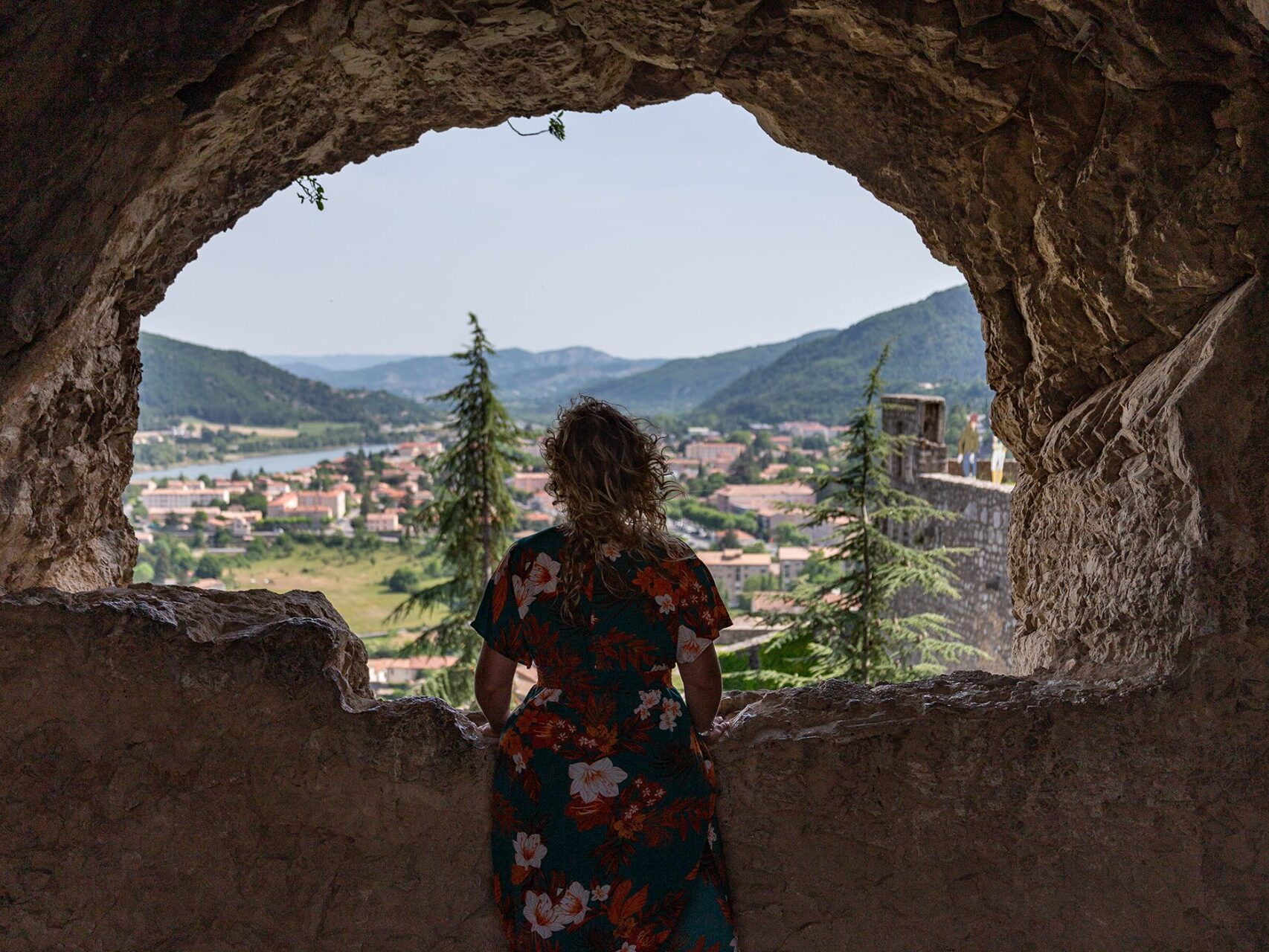
A few stages on the Route Napoléon