
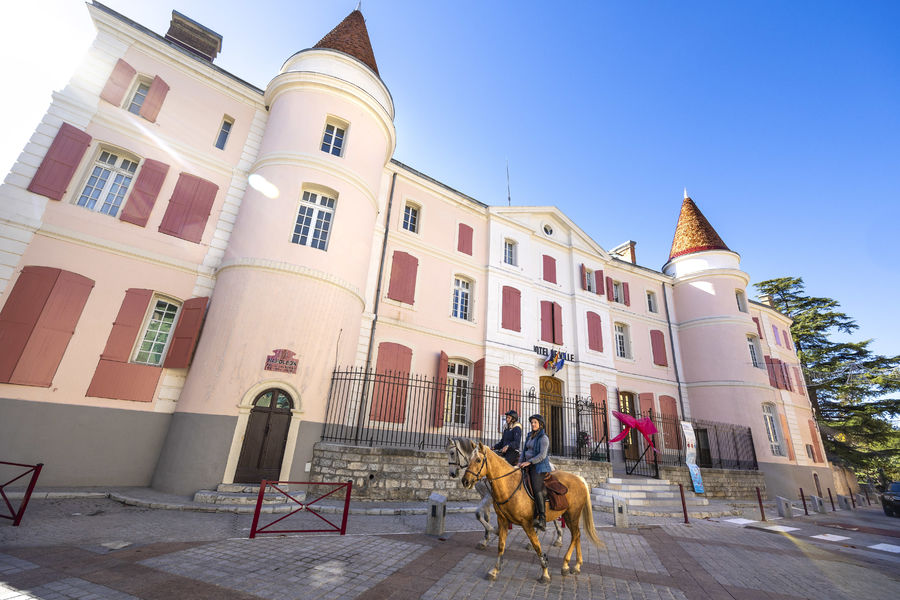
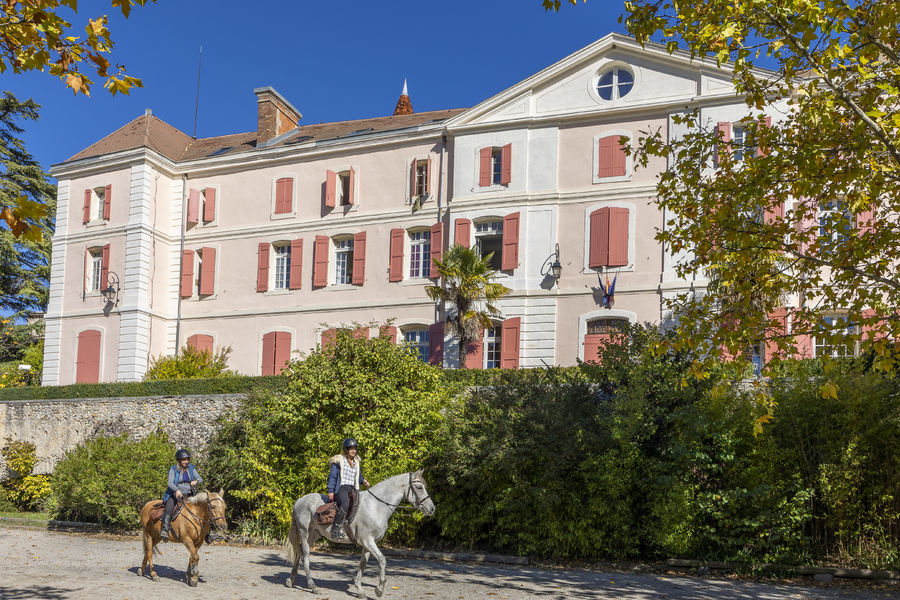
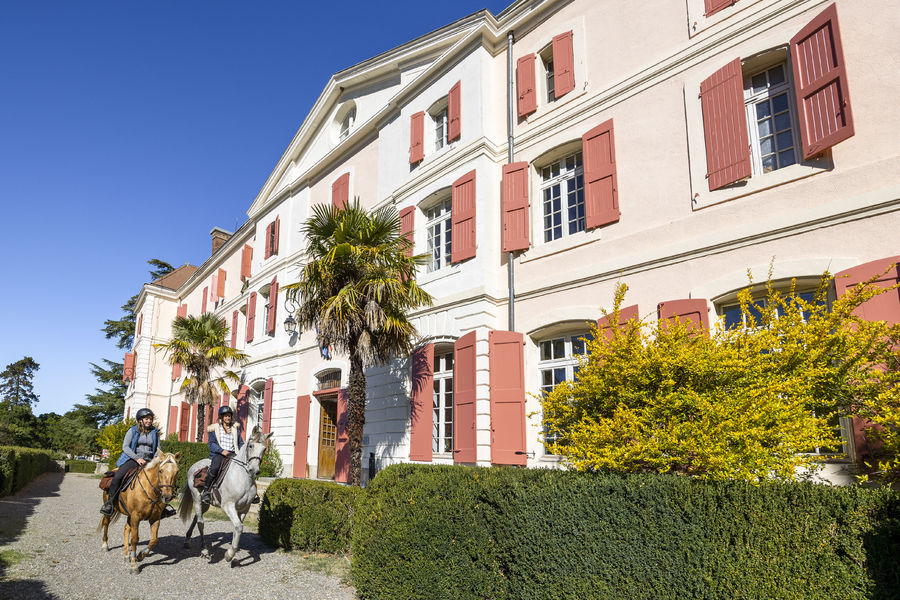
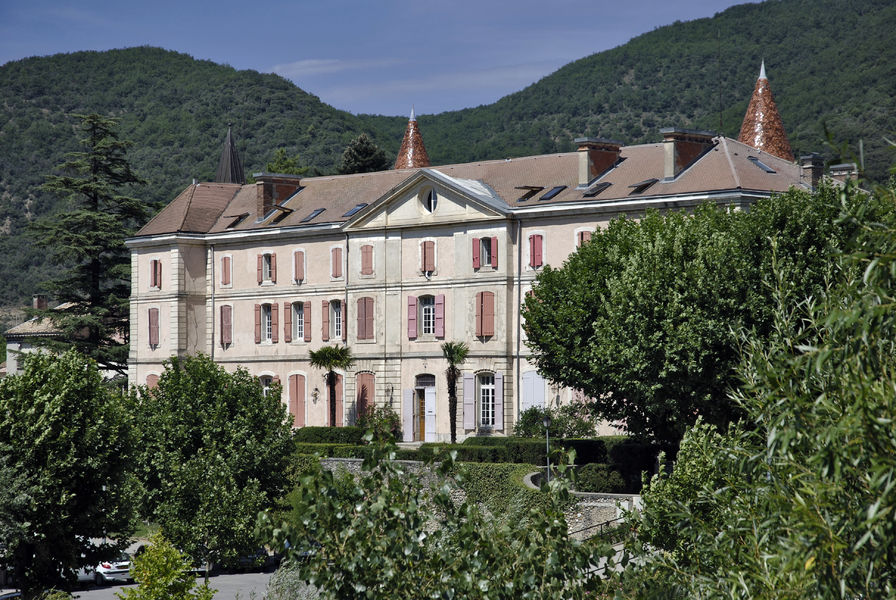
The Château de Malijai is, in this part of the Provençal Alps, one of the rare examples of seigneurial architecture of the XNUMXth century.
Description
Malijai Castle: Classical Elegance and Imperial Memory
Overlooking the Bléone Valley, Malijai Castle stands proudly in the heart of the village, a blend of history, architecture, and imperial legend. Its history began in 1632 when Melchion de Masargues, a lawyer in the Parliament of Provence and advisor to the king, acquired an old manor house. He had a castle built in its place, in keeping with the classical canons in vogue, between 1635 and 1642, in a sober and balanced style, typical of the transition between the Renaissance and the Grand Siècle.
In the 18th century, the estate passed into the hands of Pierre-Vincent Noguier, a wealthy merchant and receiver general of finances for Provence. His family transformed the building by adding a second floor, giving the château its current appearance.
But the event that has left its mark on local memories occurred on March 4, 1815. That evening, Napoleon Bonaparte, returning from the island of Elba, stopped in Malijai on his way back to Paris. He spent the night there, welcomed by Édouard Noguier, a descendant of the owner. The next day, the Emperor resumed his journey to Sisteron, and the château entered the legend of the Hundred Days.
In 1983, the ground floor was listed as a Historic Monument, notably for its superb plasterwork: sculpted stucco decorations, rich in plant motifs, shells and figures inspired by classical allegory. That same year, the Malijai town hall moved to the first floor of the castle, now a place of administrative life as well as heritage.
Surrounded by a wooded park and located on the famous Route Napoléon, the castle today offers a peaceful and cultural stopover, between historical memory and Provençal charm.
Rates / opening
Opening
All year, every day.