
Salagon, museum and gardens
Museum
More
Medieval village and historical heritage in Haute-Provence
Located in the heart of Haute-Provence, Mane is a village rich in history, blending ancient ruins, medieval architecture, and architectural curiosities. Between the Via Domitia, the Salagon Priory, and its famous "pointed huts," discover a must-see site for heritage and culture enthusiasts. Let yourself be captivated by the unique atmosphere of this village, a blend of tradition and modernity.
Mane, a picturesque little village in the Alpes de Haute-Provence, is a true testament to the region's history. According to experts, its name comes from the Roman goddess Mana Genita, protector of funerals. This site is above all a place of remembrance, dotted with ancient remains, such as aqueducts and necropolises, which bear witness to human occupation since prehistoric times.
The development of Mane accelerated from the 1st century AD, with the establishment of the via Domitia, one of the oldest Roman roads, which runs through the village. At that time, the Roman Empire established a provincial market here, the Forum Neronis, marking the beginning of a long trading tradition. Today, the remains of this ancient era continue to fascinate visitors and attract history buffs.
The Early Middle Ages shaped the village as we know it today. The highlight of this period is undoubtedly the Mane Citadel, a feudal fortification unique in Haute-Provence. This monument, dating from the 12th century, stands proudly in the heart of the village.
The cobbled streets of Mane, lined with old facades and picturesque fountains, contribute to the authentic atmosphere of the village..
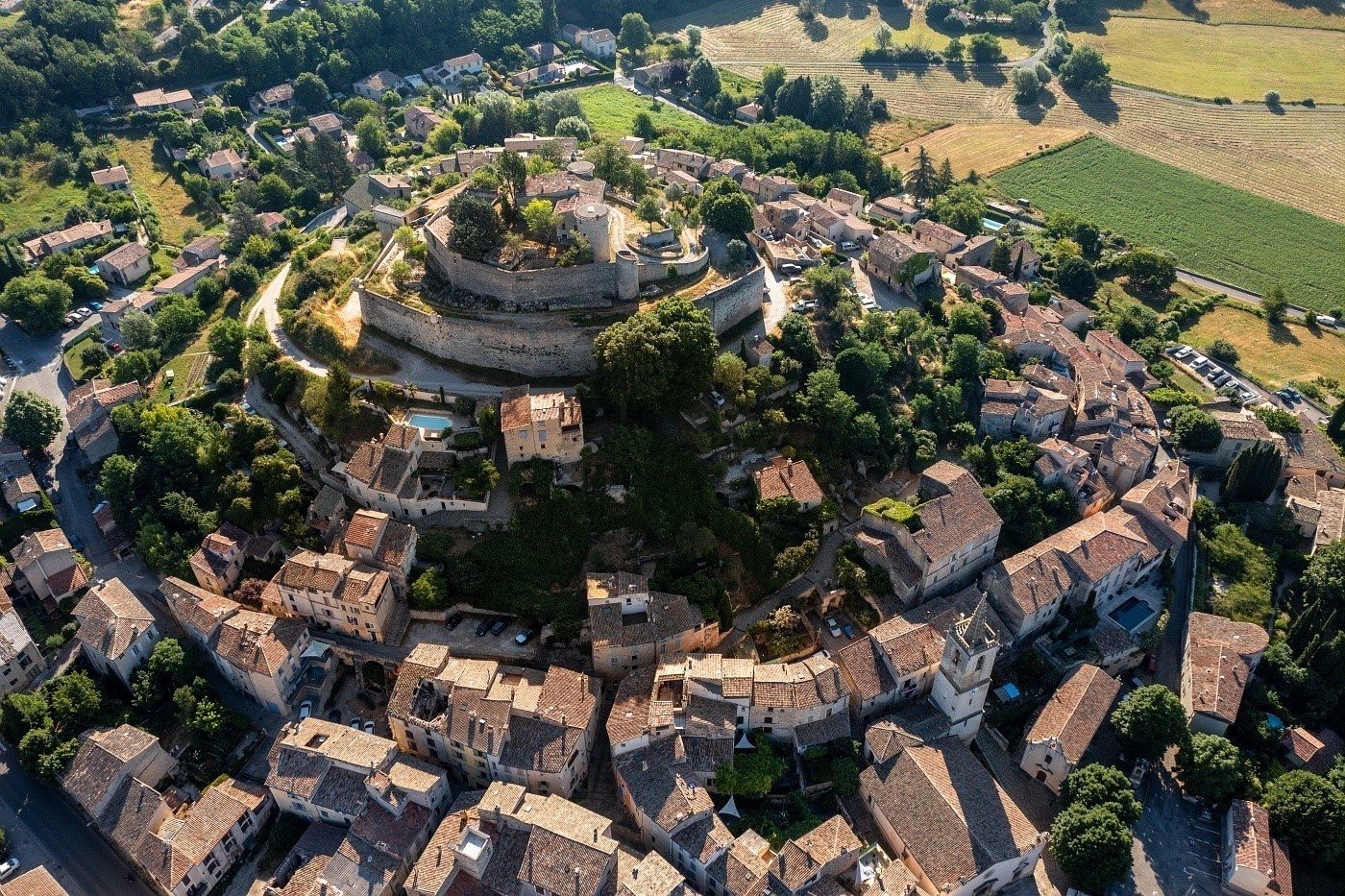
The most illustrious of the country's children, Henri Laugier, was Under-Secretary-General of the UN, co-editor of the Universal Declaration of Human Rights and first president of the CNRS.
Mane is easily accessible by car thanks to its proximity to major roads. Near Forcalquier (3 km), on the D4100 (Apt-Forcalquier) and the D13 which leads to Manosque (20 km).
A51 motorway, exit Manosque then direction Volx and Forcalquier. A7 motorway, exit Avignon Sud then D4100 to Mane.
The nearest train station is in Manosque, served by regional trains. For travelers coming from further afield, the TGV stations in Aix-en-Provence or Avignon are nearby. Marseille Provence Airport, located 90 km away, allows you to reach Manosque in just over 1 hour 15 minutes by car.
The Salagon Priory, a historic monument built on Roman remains, is today a museum and an ethnological gardenThis must-see site allows you to discover the history of the region through a rich collection of objects and testimonies from the past. The garden, meanwhile, offers a beautiful walk in the heart of Provençal nature.
Not far from Mane, Sauvan Castle is distinguished by its architecture inspired by the Petit Trianon at VersaillesThis 18th-century gem houses period furniture and beautiful gardens, and is an ideal stopover for lovers of history and antique decor.
pointed huts: witnesses to unique know-how
In the surroundings of Mane, you will also come across the famous “pointed huts”, often called “bories”These small dry stone constructions, without mortar, bear witness to remarkable ancestral know-how. While their origin is sometimes attributed to the Gauls, these huts date back to the 18th and 19th centuries, a time when the region's peasants used them as temporary shelters or for storage.
The Way of St. James passes through the village of Mane. Stage 8, between Forcalquier and Saint-Michel l'Observatoire Lincel, passes through Mane. It follows the Via Domitia and offers many opportunities to explore religious and rural heritage.
Mane is lively throughout the year with events that bring together residents and visitors. Here are some highlights:
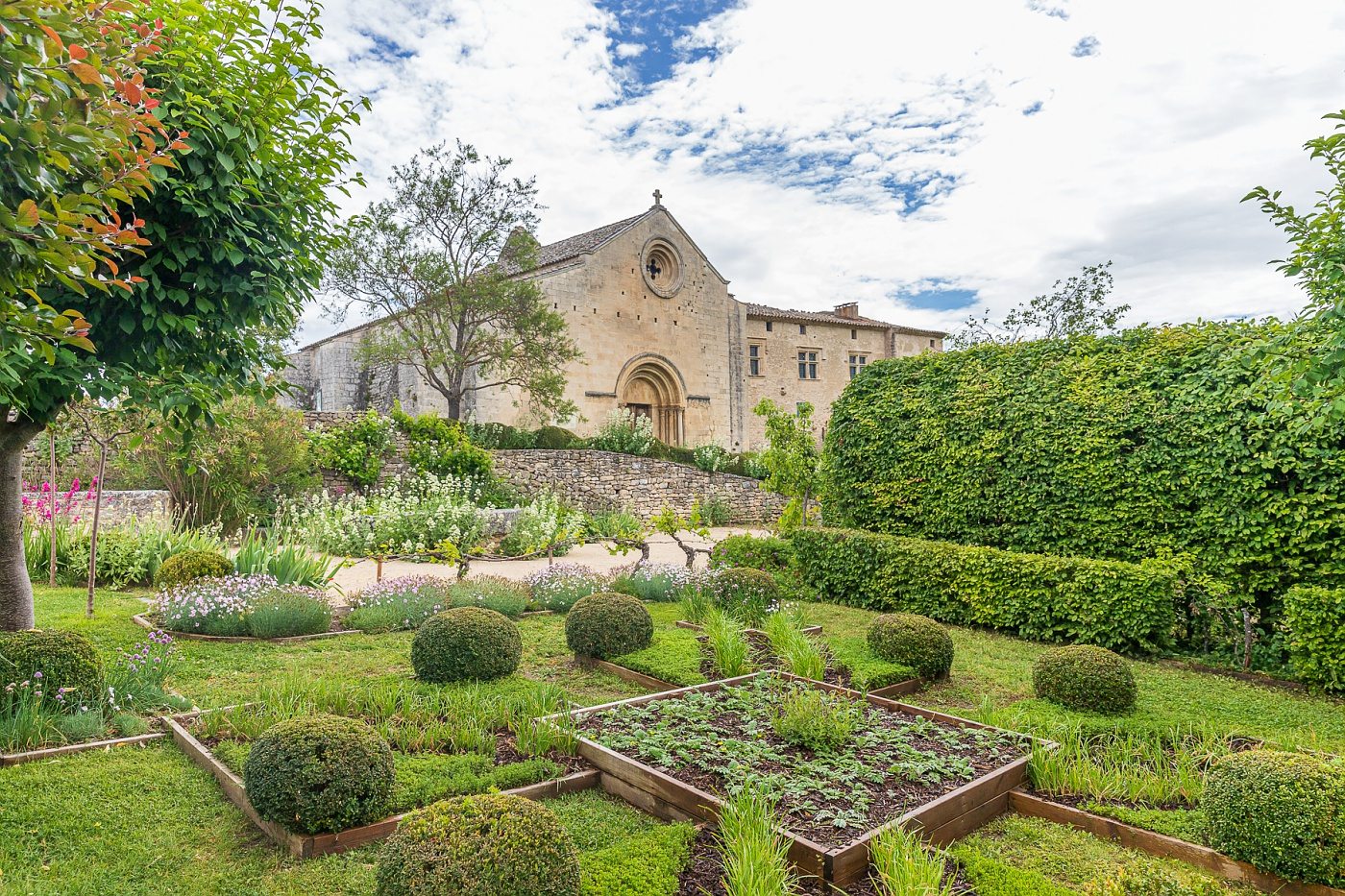
15 of our villages have received the label "Villages and Cities of Character"Each one, with its unique heritage, invites you to a discovery full of charm and history.
Other places to discover