
Fort Vauban de Seyne
Historical site and monument
More
Mountain village between Ubaye and the Blanche Valley
Perched at an altitude of 1 meters, Seyne captivates with its authentic charm and exceptional fortified heritage. This characterful village, at the gateway to Ubaye and the Blance Valley, invites you to experience the alpine in all its richness. Surrounded by peaks and bathed in light, this former stronghold captivates with its military heritage, its typical village atmosphere, and its proximity to ski resorts. Summer and winter alike, there is no shortage of activities to discover the mountains in a different way.
We can easily imagine the first Edenat huts built on the side of the same hill, since Seyne was once called Sedena and various Gallic tribes lived in this valley. Under the reign of Emperor Augustus, the Romans imposed their civilization on them. The 10th century was a time of misery. Monks cleared the lands devastated during the invasions and founded a convent in Chardavon.
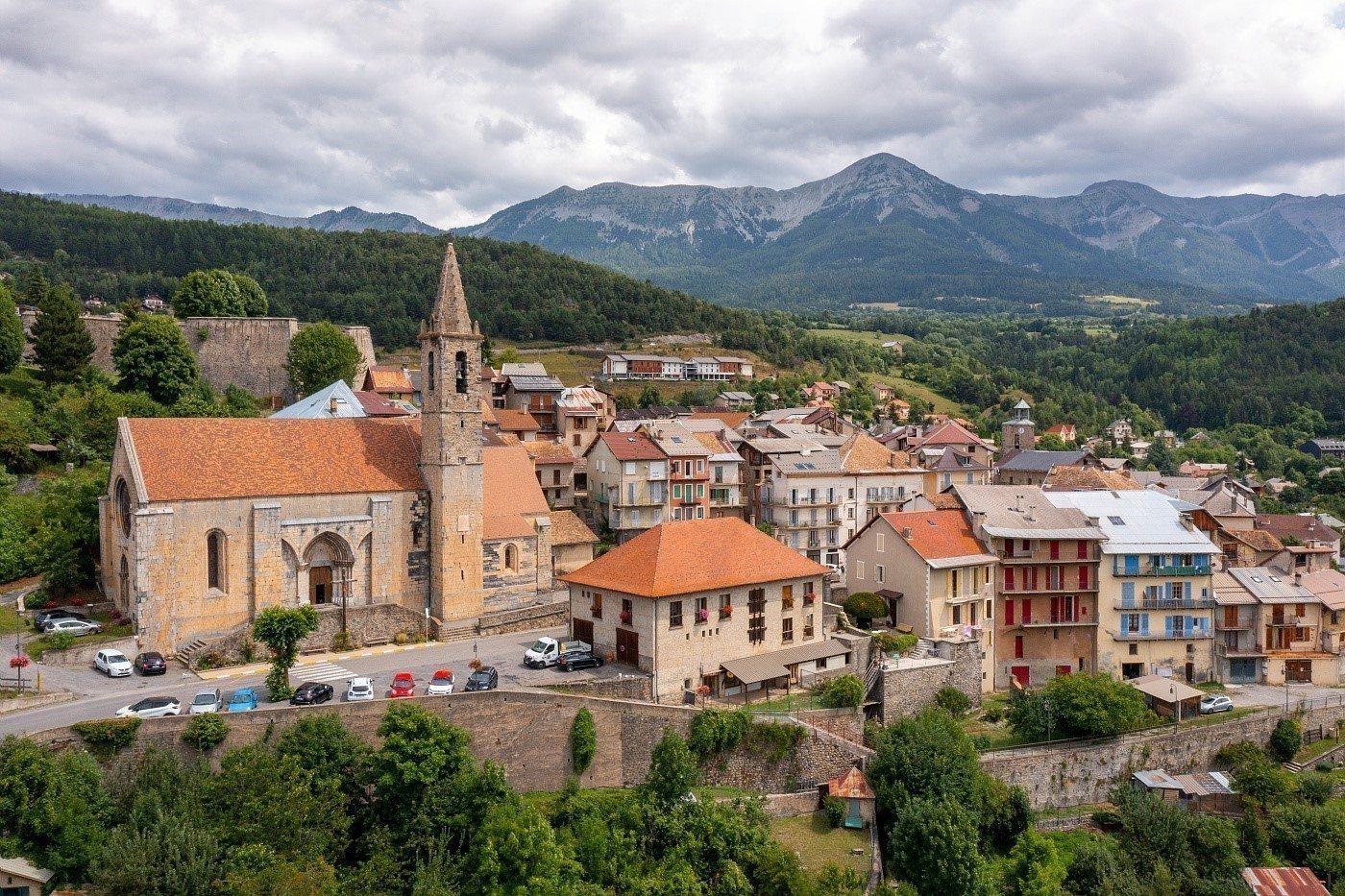
The 1842th century saw the construction of the Church of Our Lady of Nazareth, an imposing monument in the shape of a Latin cross, in the Romanesque style, however, imbued with the principle of the ribbed vault. This church has been classified as a "Historic Monument" since XNUMX.
In 1388, Seyne, which belonged to the Count of Provence, became a border town due to its proximity to Savoy. Indeed, Barcelonnette and the Ubaye Valley are under the control of the Duke of Savoy. The boundary of the states is formed by the Blanche mountain range. Seyne has for defense the "Grande Tour" isolated on the hill and ramparts which surround the city with the Porte de Provence and the Porte de Savoie as the only access routes into the city.
Numerous incursions on both sides of the border resulted in pillaging and ransoms. In 1483, Provence was annexed to the Kingdom of France, a period of relative calm that was followed by the infamous period of the "Wars of Religion." After bloody struggles and devastating fires, Seyne became a stronghold granted to the Protestants, just like Mérindol in Provence or La Rochelle.
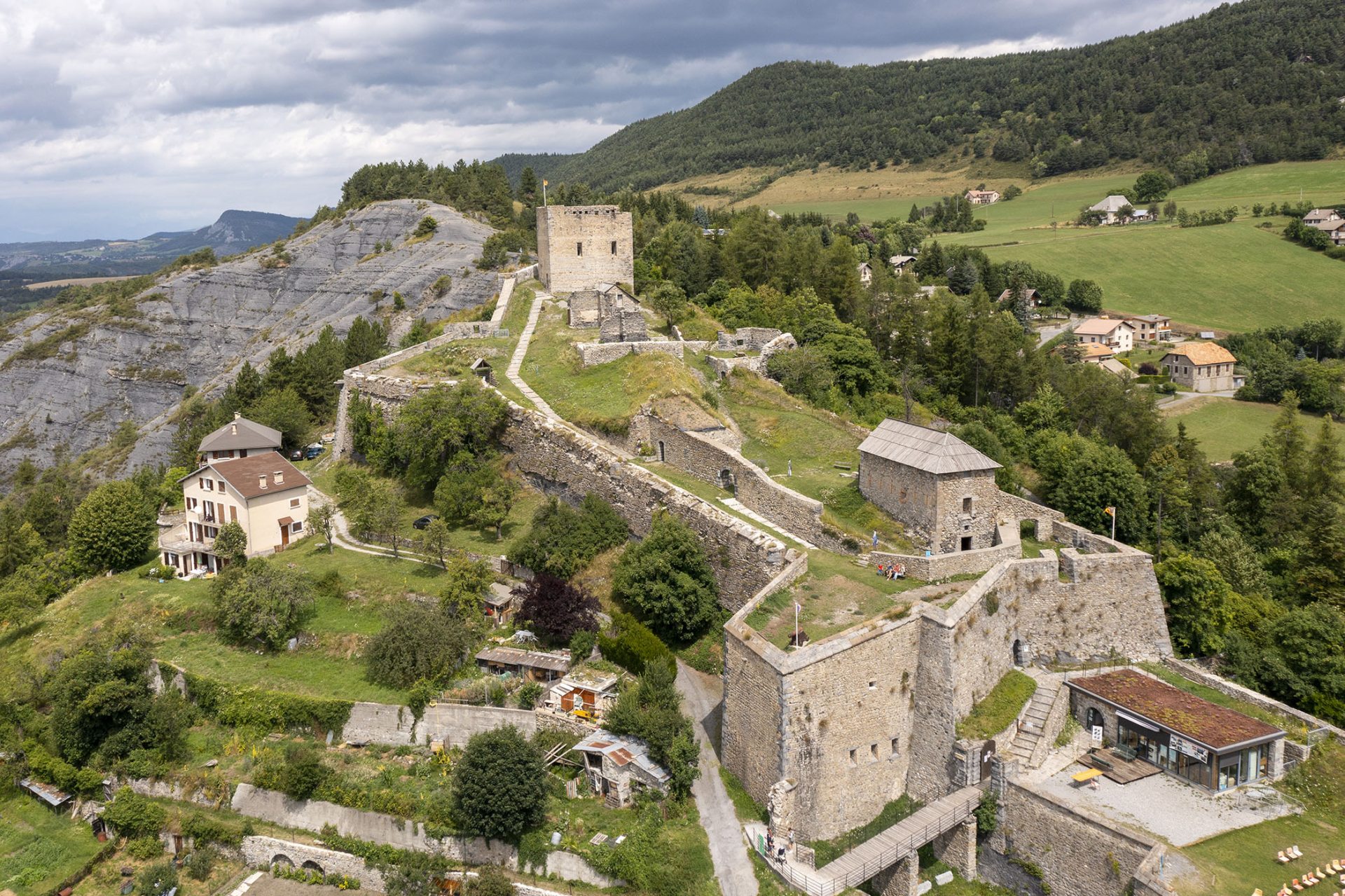
In 1691, Seyne still being a border town, Vauban, under the orders of Louis XIV, decided to reinforce the fortifications. He ordered the construction of new ramparts flanked by bastions. The Fort would be added to the complex and would include the "Great Tower". The work would be quickly carried out under the orders of the engineers Niquet and Richerand.
A walk through the village of Seyne will allow you to discover, in addition to the large church, the ramparts, Fort Vauban, the "Grande Tour", the old streets with dated doors and half-timbered houses, the Place du Couvent and other religious buildings.
Seyne is located between Digne-les-Bains, Gap and Barcelonnette.
From Grenoble : via the A51, Veynes, Gap, then Seyne via the Saint-Jean pass.
From Marseille or Toulon :
Follow the A51 via Aix-en-Provence towards Vallée de la Blanche: exit 20 via Digne-les-Bains via the Col du Labouret, follow the direction of Barcelonnette.
Or via the A51 via Aix-en-Provence: exit Tallard 24, via the Col Saint-Jean. Direction Barcelonnette then Seyne
From Nice, by the RN 202 via Digne-les-Bains, the Col du Labouret, follow the direction of Barcelonnette.
By train or bus : Regional Express Lines offer daily round trips
Today, Seyne has a dual agricultural and tourist vocation which contributes to the dynamism of this mountain village classified as a “Green Holiday Resort and Snow Village”.
The proximity of the winter sports resorts of Montclar les 2 vallées and Chabanon-Selonnet and the Le Fanget nature reserve as well as the Serre-Ponçon lake are all assets!
At the foot of the imposing Roche Close, this route allows you to discover one of the main mountain pastures of the Pays de Seyne: the Grande Montagne, and its emblematic cabin.
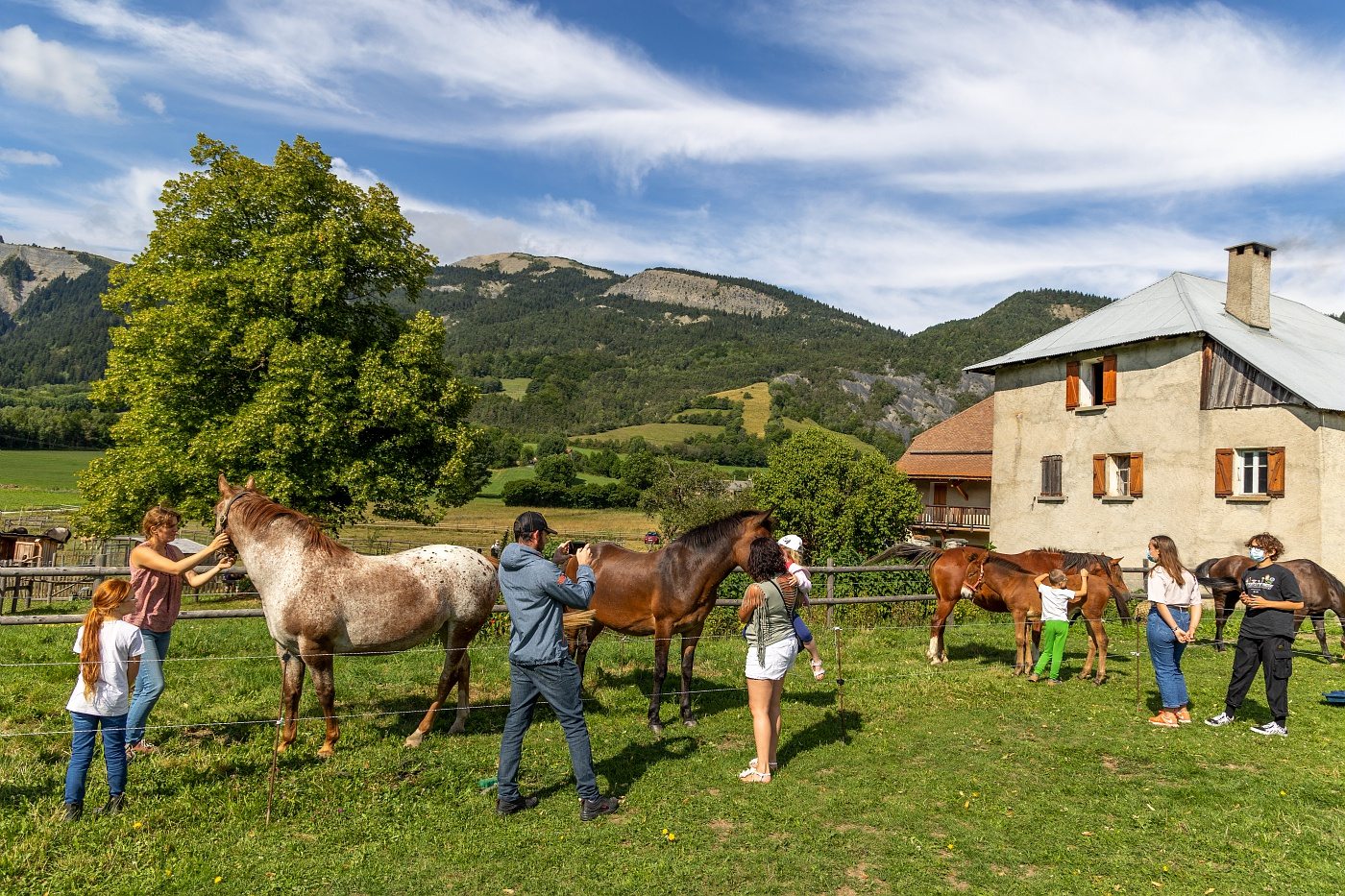
During the interwar period, it is estimated that around 800 mules were born each year in Seyne. The mule trade made Seyne a unique entity in the Southern Alps. Until the 60s and 70s, mule breeding was more than a supplementary activity for Seyne farmers.
With mechanization, demand plummeted in the 1960s, leading to a decline in this activity. Thanks to passionate breeders, the Seyne mule is gradually making a comeback. Today, around twenty mule calves are born each year.
The mule is an animal born from an act of reproduction between a mare and a donkey. Smaller than the horse, the mule is particularly resistant to heat, cold, and physical exertion. It is very comfortable on steep paths and is widely used in traditional agriculture around the Mediterranean as well as in mountainous areas.
The Mule Show has been held annually for over 100 years around August 15th. It is the only event in France dedicated to mules and the last competition of its kind in France. Breeders present their animals, mares, and mules brought down from the mountain pastures.
Find entertainment and events throughout the year in the village and surrounding resorts. Here are some highlights:
15 of our villages have received the label "Villages and Cities of Character"Each one, with its unique heritage, invites you to a discovery full of charm and history.
The surrounding ski and nature resorts not to be missed