
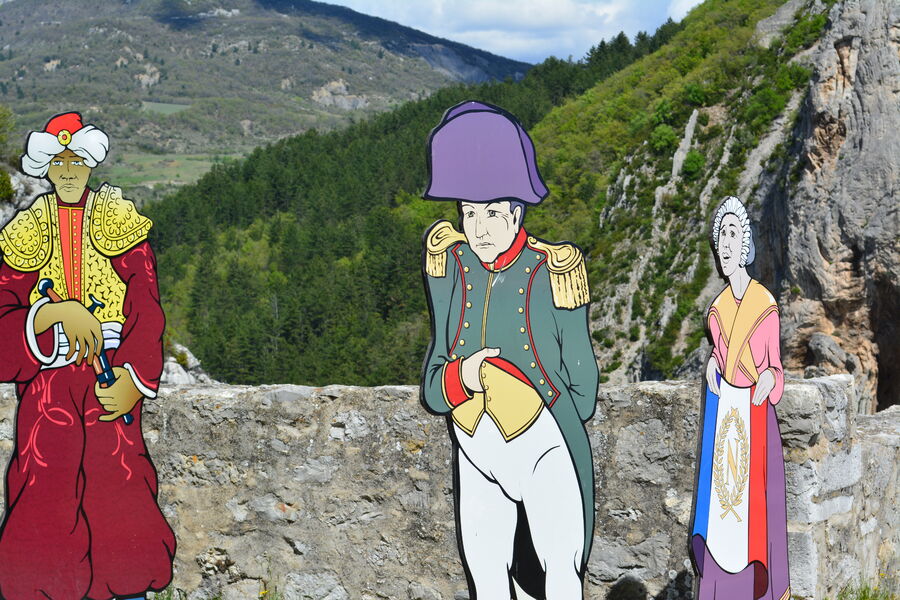
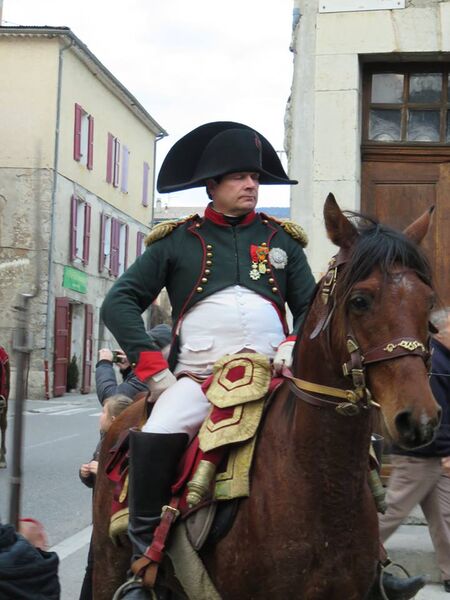
Having left Golfe Juan-Vallauris on March 1, 1815, to reach Grenoble, Napoleon decided to take a route that he wanted to be direct to Paris and without too many pitfalls.
Description
On Saint Helena, Napoleon liked to remind his entourage of the significant episodes of his return from the Island of Elba and he did not hide how deeply he had worried during the first five days of this epic journey. These worries were fully justified, but where everything really risked failing was in front of the Citadel of Sisteron: the site, the fortifications, a population and a royalist mayor...
The possibilities of resistance at this point could easily overcome the daring expedition. On the evening of March 4, 1815, upon his arrival in Malijai, Napoleon had sent Cambronne and a hundred horsemen on the road to the Alps, with the mission of reaching Sisteron by forced march; the town had to be invested at all costs.
It was only on the morning of the 5th at 2 o'clock that the Emperor regained his "serenity" when a horseman returning from Sisteron announced to him that the town was subdued and all resistance had been stifled.
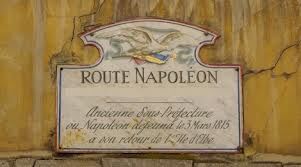
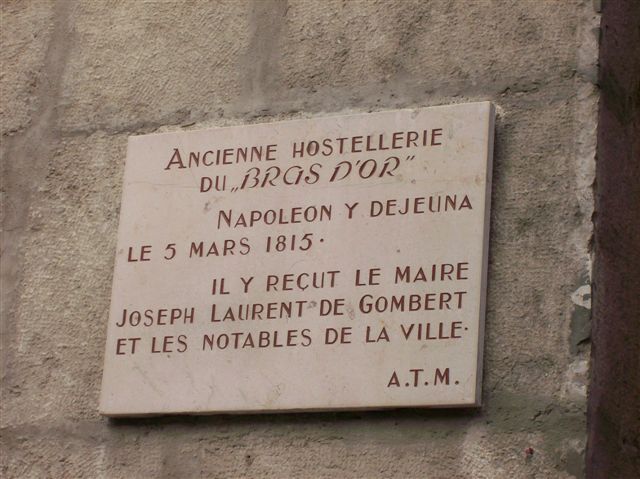
Around 10 o'clock in the morning, Sisteron offered itself defenselessly to the Emperor: "Soldiers, we are saved, we are in Paris!" He entered the town and stayed at the Hôtel du Bras d'Or, on Rue Saunerie (souvenir plaque).
After eating, the population began to gather and became nervous, and Napoleon decided to quickly leave Sisteron, barely three hours after entering it.
Comfort and amenities
Services
Equipment
Rates / opening
Prices
Free access.
Opening
Open all year round.